FNQ Rum Co.
Where to buy
RangeProcessLearnBarrel RegisterVisitStockistsTradeContact

How our rumis made

Cane syrup, one copper pot still, and a barrel room in the tropics. Everything we do is on the label and in the register. This page is what those words mean.

Most Australian rum starts at a refinery. Ours starts in a paddock.

Molasses is what is left after sugar crystals are taken out of cane juice. It travels well, it keeps, and it is inexpensive, which is why almost every Australian rum you can buy is fermented from molasses trucked in from a sugar refinery, sometimes more than a thousand kilometres away.

We work from sugarcane syrup instead: cane juice reduced by evaporation with nothing crystallised out, from cane grown on the Atherton Tablelands and crushed within a week of the cut. It is more expensive, it only exists in season, and it changes from year to year. It is also the single decision that shapes the spirit most, and the one that is hardest to reverse.

Everything after that is heat, copper, oak and waiting, and a written record of all of it.

1500 LCopper pot still
2016First fill
70%+Cask-hall humidity
0Additives
01

Cane, cut in season

Grown on volcanic soil at around 700 metres, crushed to syrup the same week.

The Tablelands sit high and cool for the tropics. Cane grown here takes longer to ripen than coastal cane, and the soil is old volcanic country, free-draining, mineral, and the reason the region grows what it grows.

Cut cane starts degrading within hours, so the window is short. Ours is pressed and reduced to syrup within the week, and the syrup is the only sugar that ever enters the process. There is no molasses, no refined sugar and no dextrose in our wash.
Cane syrup vs molasses →

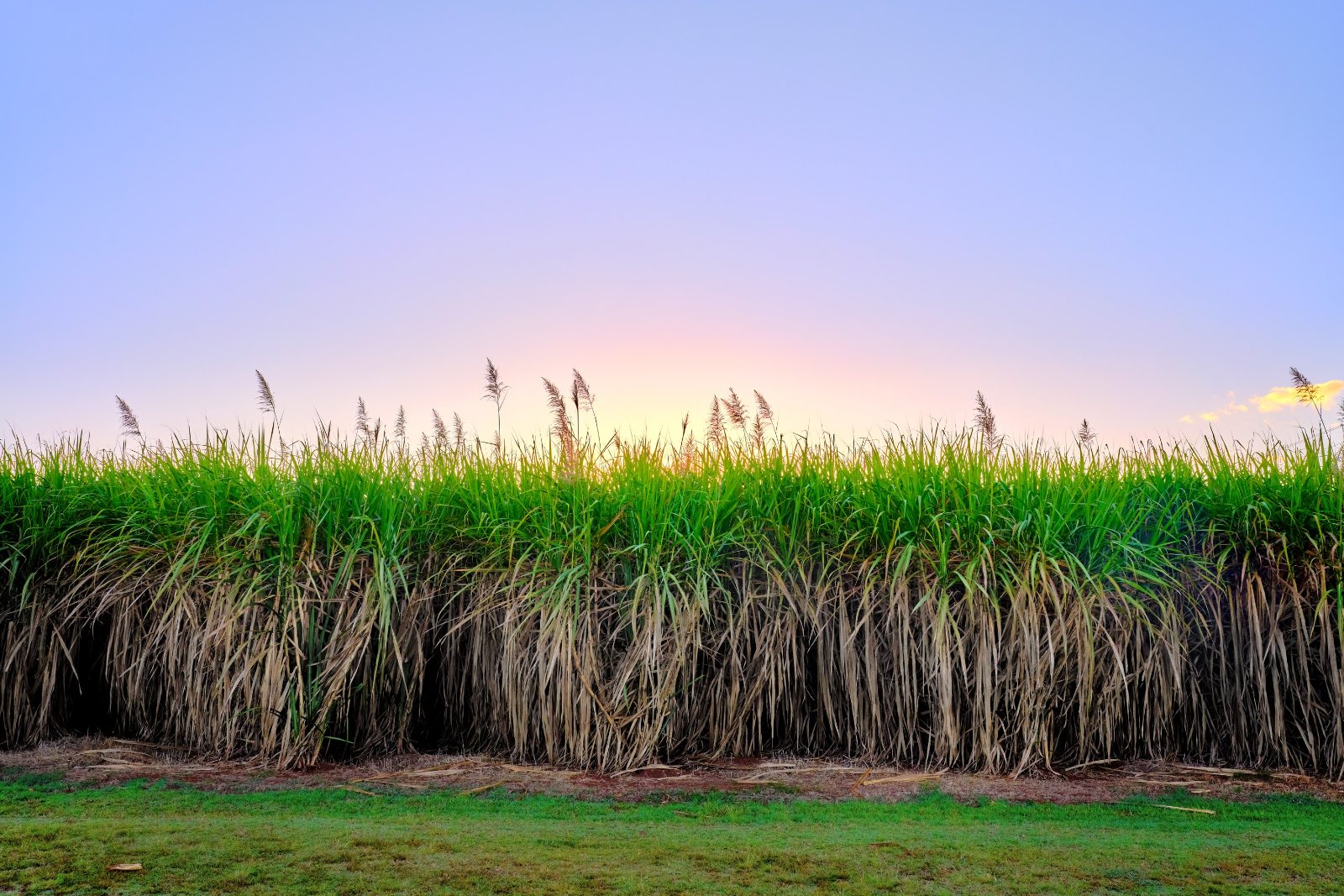
Sugarcane standing in a field at dusk
Cane · standing crop
02

Fermentation in the tropics

Syrup, water and yeast. The heat does half the work.

Fermentation is where rum gets its fruit. Warm ferments push ester formation, the pineapple, banana and stone-fruit notes that survive distillation and end up in the glass, and Far North Queensland does not need a heater.

We ferment on syrup rather than molasses, which means a cleaner, greener wash with less sulphur to strip out later. That is what allows us to distil at a lower strength and keep more of the raw material in the spirit, instead of distilling high to clean it up.

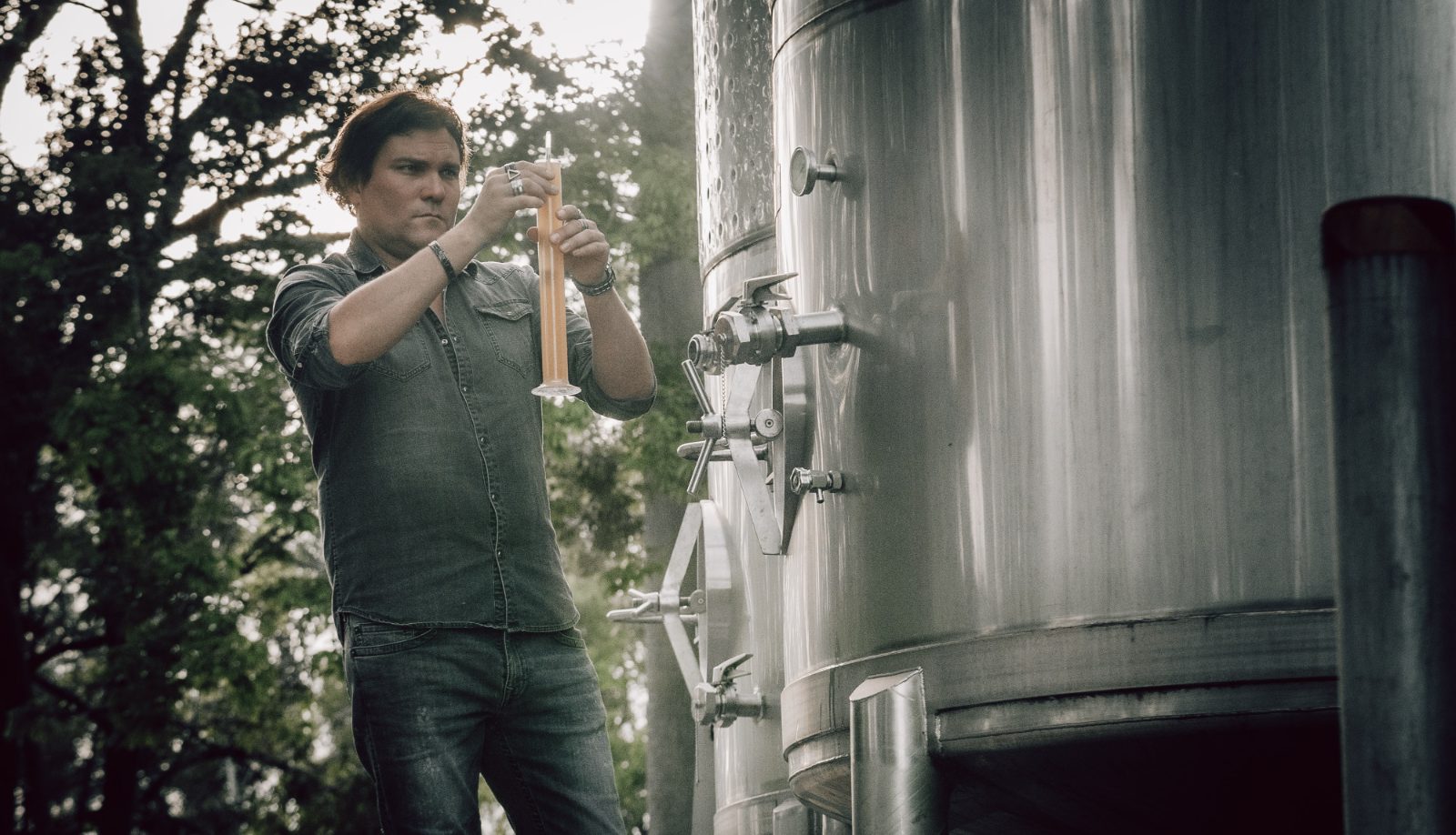
Head distiller reading a hydrometer against a fermenter at Mt Uncle
Ferment · gravity check
03

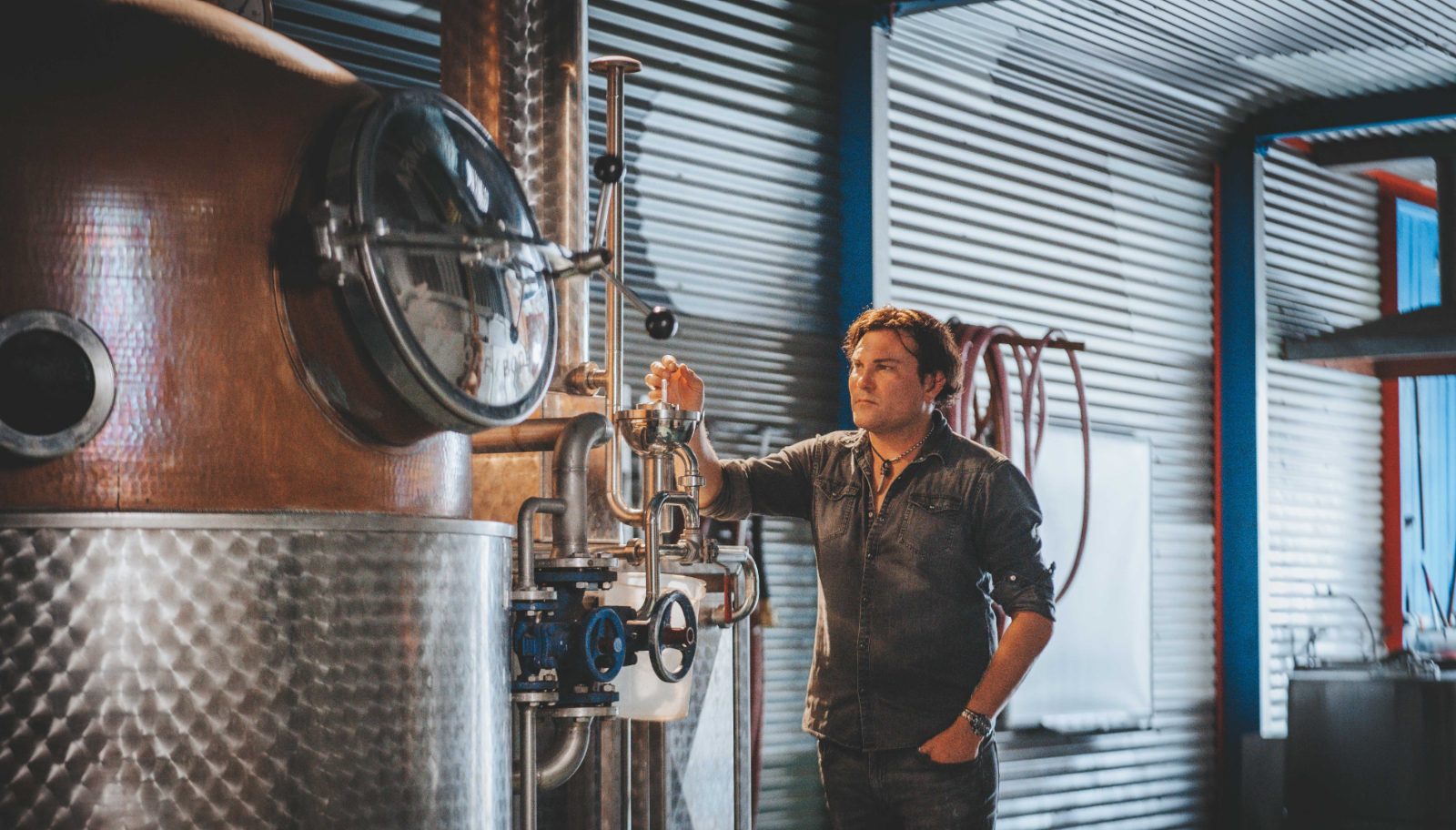
Everything comes off Helga

A 1500-litre Arnold Holstein copper pot still, and the only one we have ever used.

Helga is the only still we have ever used. Every drop of FNQ rum, from the first fill in 2016 to the release on the shelf today, has come off her.

Copper is not decorative. It reacts with sulphur compounds during the run and softens the spirit without stripping it, which is why a pot still and a syrup base belong together: both decisions are about keeping flavour rather than removing it. A continuous column still would make a cleaner spirit and a quieter rum.

Helga is a pot with a plated column above her, which is how Arnold Holstein builds them, and the sight glasses are visible in the photograph. The rum is pot distilled. How the plates are set for a given run, and how many passes each expression takes, are production settings we have not published, because the fill sheets have not been read against them.

Still
Arnold Holstein copper pot
Capacity
1500 litres
Configuration
Copper pot, plated column above
Distillation
Pot distilled
Passes · plate setting
Not published
Head Distiller
Mark Watkins
Distiller
Lee Boylan
Head distiller Mark Watkins at Helga, the copper pot still, taking a reading from the spirit safe
Helga · mid-run
04

Cuts called by nose

The spirit run is divided by taste, not by timer.

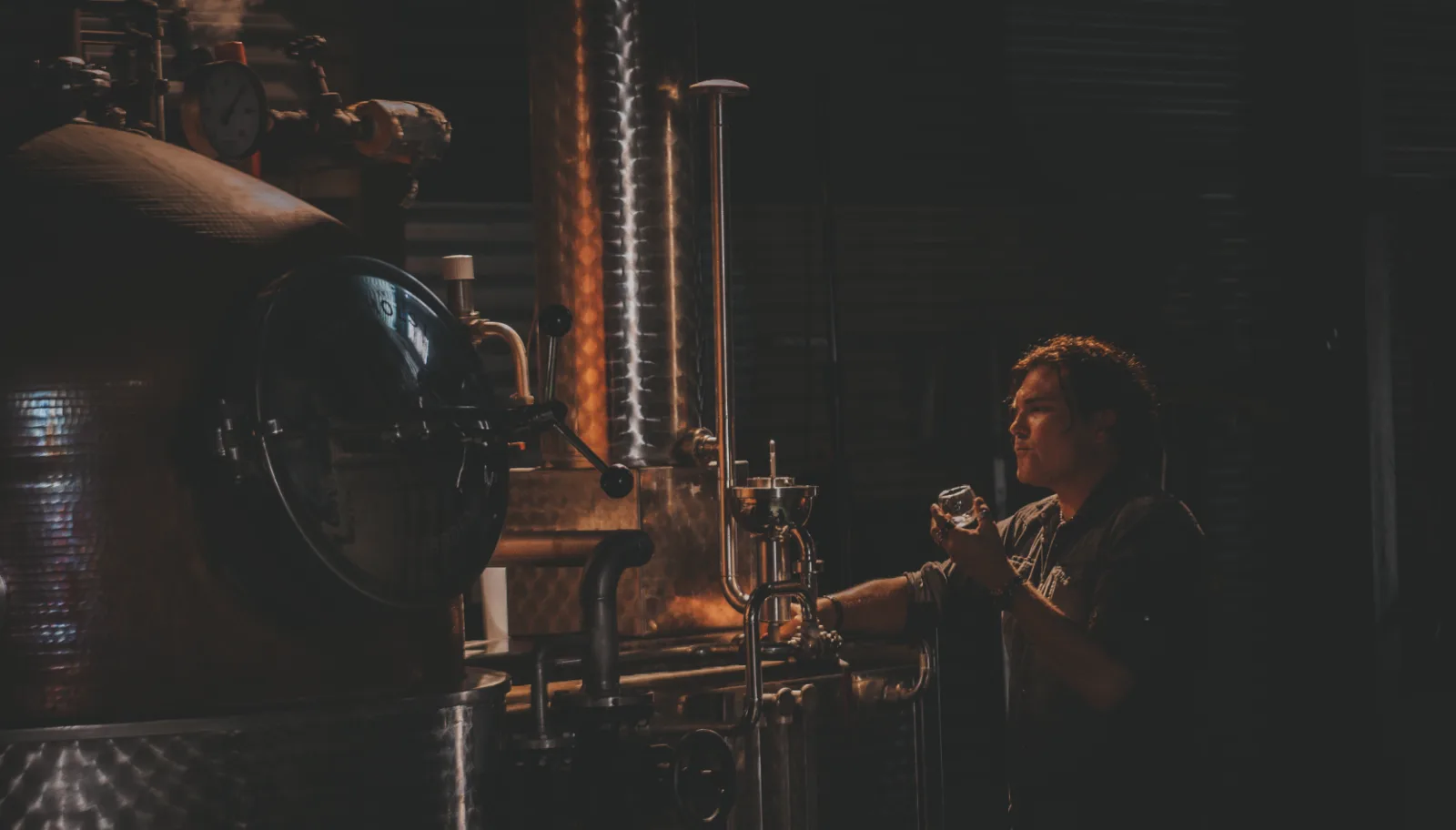
A pot still does not make one spirit, it makes a sequence. The first vapour off the run carries solvent and acetone. The last carries wet cardboard and oil. The part worth keeping sits between them, and where it starts and stops is decided at the spirit safe, on the day, by nose.

Cutting early gives a cleaner, narrower spirit. Cutting late keeps more of the ferment in the glass, and more of the risk. We cut for the cane, which means living with a heavier spirit than a neutral distillate would allow.

Cut points are not yet published →

Distiller nosing spirit drawn from the spirit safe during the run
Spirit safe · calling the cut
05

Filled at cask strength

Into oak at full strength, with the date and the strength written down.

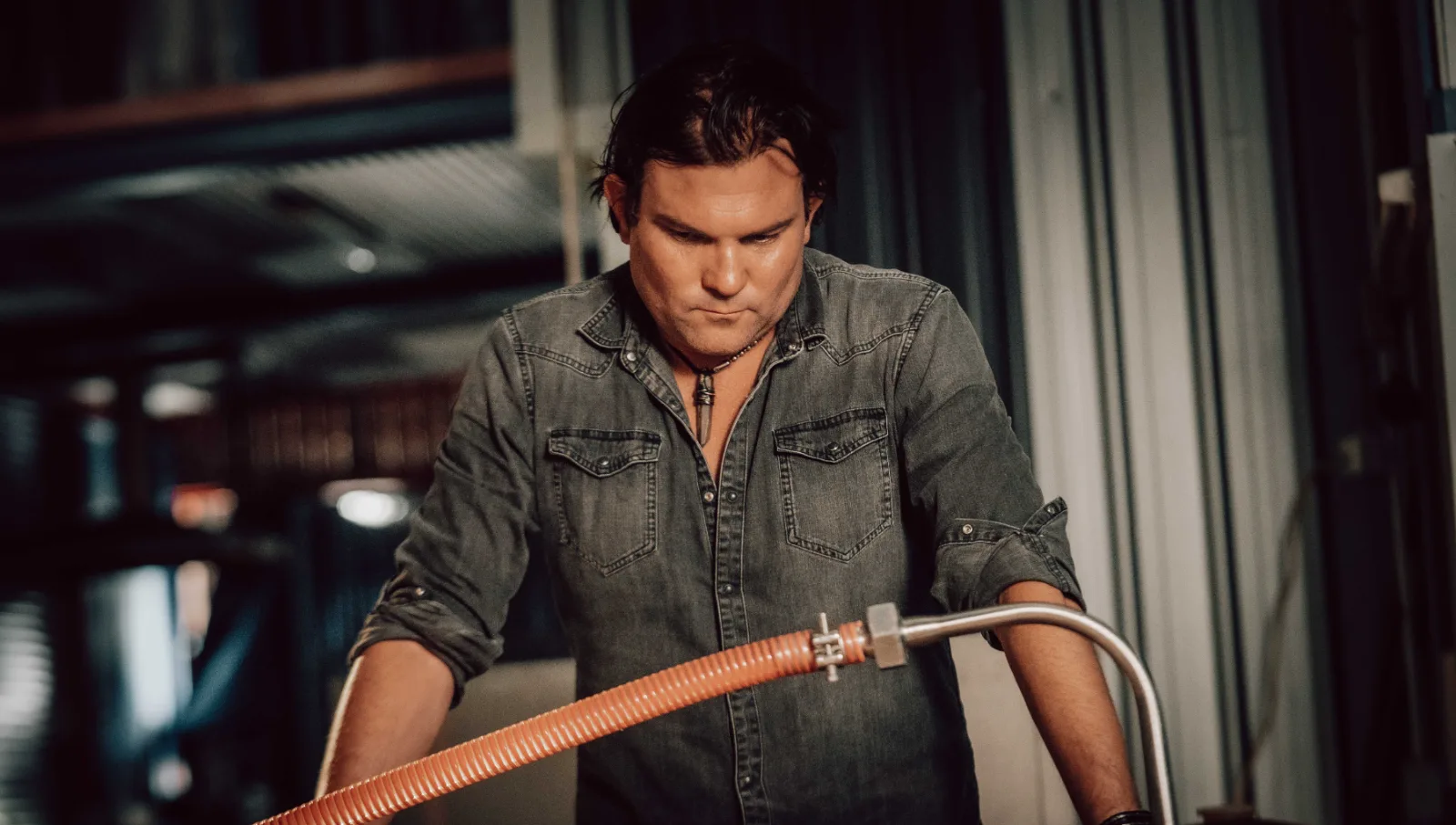
Nothing is watered before it goes into wood. Spirit goes into the cask at the strength it came off the still, and that strength is recorded against the barrel along with the fill date, the volume and the cask itself. Those four numbers are the start of the barrel record.

Casks are reconditioned rather than new, and the type and origin are published on every release page. A rum’s character is at least as much the barrel’s as the still’s, so hiding the cask hides half the answer.

See the Barrel Register →

Distiller running the fill hose into a cask at Mt Uncle
Fill · cask strength
06

Tropical maturation

Filled at cask strength into oak, then left to the climate.

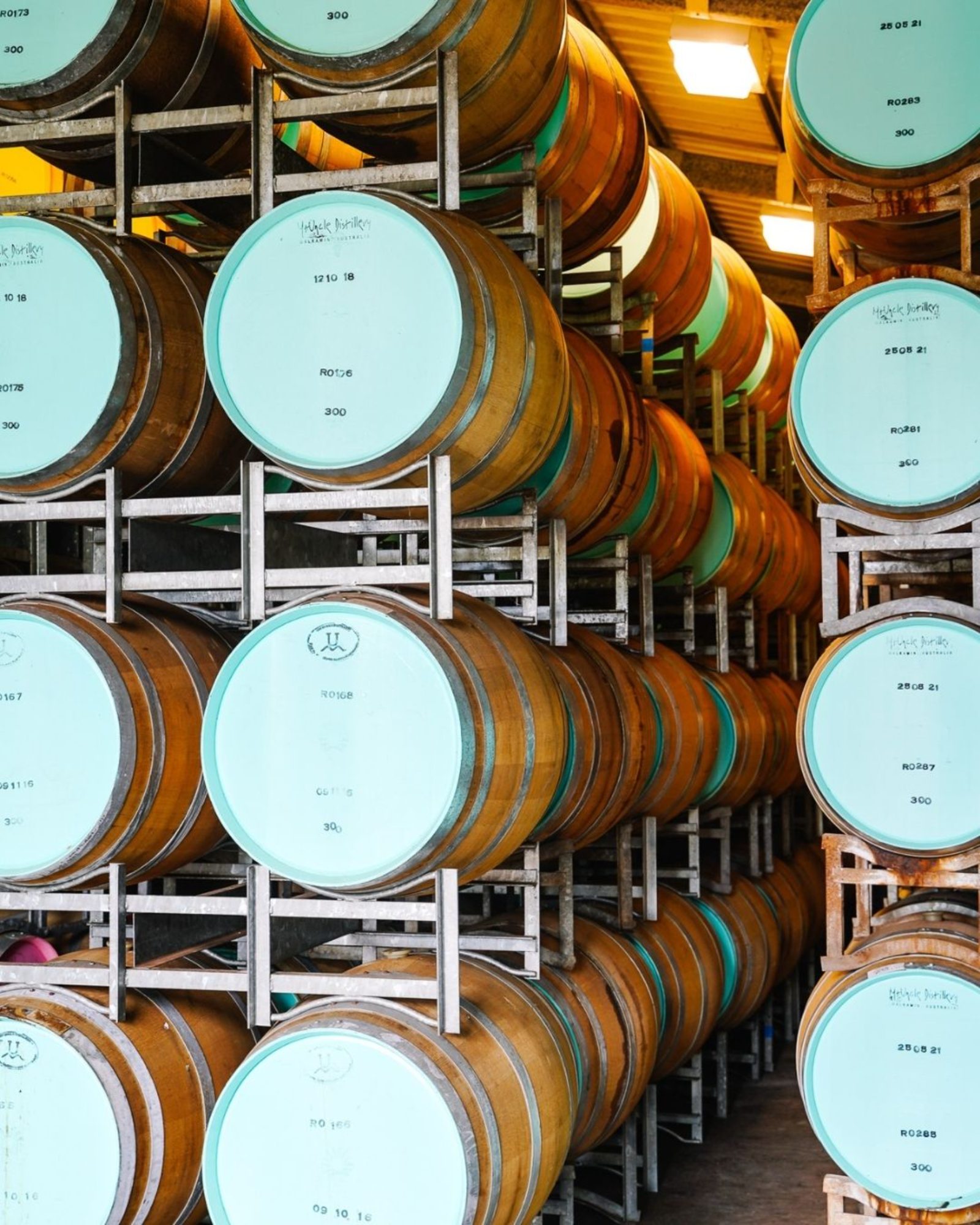
Humidity sits above 70% for most of the year and the barrel room swings with the day. Spirit is pushed into the oak and drawn back out of it twice every twenty-four hours, so extraction and oxidation both run harder here than they would in a cool climate.

That is not a shortcut. Tropical maturation costs volume. Evaporation is significantly higher than in temperate warehouses, so a barrel that sits for ten years has far less left in it. A tropical five can read like a temperate ten, but you pay for it in litres, and we would rather say that than imply age is the whole story.

Casks racked in the barrel room at Walkamin
Cask hall · Walkamin
07

The decision to release

Four verdicts, and one of them is no.

A barrel is drawn and tasted across its life, not once at the end. Every draw ends in a verdict, and the verdict is written down with the date, the strength at draw and who drew it.

Age on its own does not release a barrel. A ten-year cask that has gone dry and oak-dominant is rejected. A five-year cask that is ready is bottled. Rejections stay in the record rather than being left out of it, which is the only way the record is worth reading.

  1. Continue

    Leave it. Note what changed since the last draw and set the next one.

  2. Re-gauge

    Strength or volume has moved enough to be measured again and recorded.

  3. Release

    Ready. The barrel is drawn, bottled and tied to the release it became.

  4. Reject

    Not going to a label. The reason is recorded and the barrel keeps its record.

The verdict vocabulary is fixed so a note from 2021 can be read against a note from 2026.

08

Bottled, with nothing added

Every barrel drawn, tasted and recorded. Water to strength, and nothing else.

Barrels are sampled across their life, not just at the end. Every draw is nosed, tasted and written down, including the ones that told us to wait, and the ones that told us to stop.

At bottling, nothing goes in but water to bring the spirit to strength. On cask-strength releases, not even that. No sugar, no caramel colour, no glycerol, no boisé, no flavouring. If the colour is dark, it is oak.

See the Barrel Register

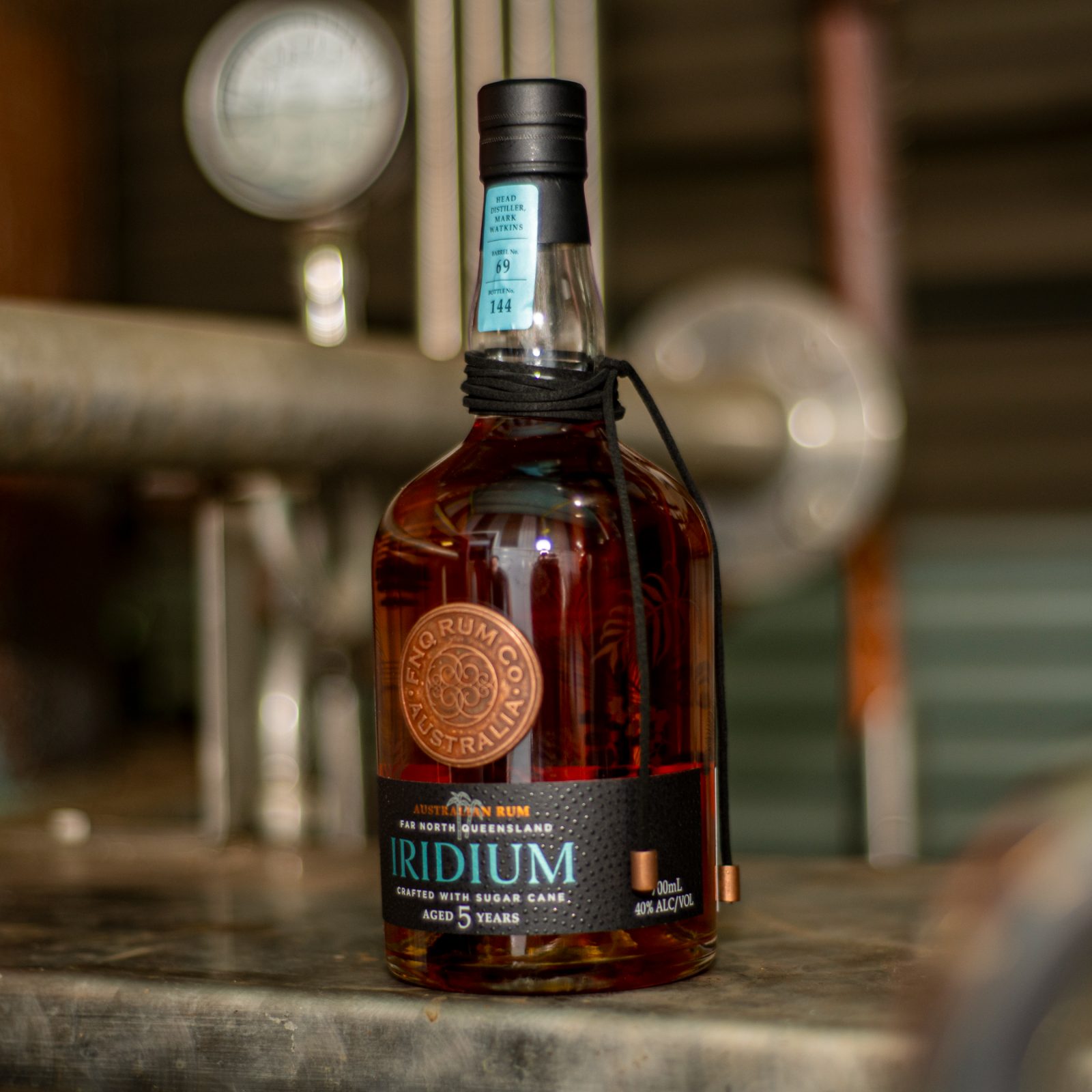
Bottles of Iridium standing against the copper pot still
Bottled · water to strength, nothing else
The category

Australian rum is an argument about sugar, not about oak.

The first Queensland distilling licence went to Beenleigh in 1884 and Bundaberg followed in 1888, both working from molasses, the residue left after sugar crystals are taken out of cane juice. For most of a century that was the whole category, and three large producers carried it.

The craft wave has widened it: more than seventy producers now appear on the Australian rum map, ranging from historic column-and-pot molasses houses to high-ester pot-still rums and virgin cane-juice spirits made on the farm that grew the cane.

Still type, cask and climate all matter. But the decision that separates one Australian rum from another most sharply is the one made before fermentation even starts.

Raw material, what goes into the ferment

Refinery molasses

What is left after sugar crystals are removed. Stable, inexpensive, and freightable, so the still need not sit near the cane.

The base of the historic Queensland houses and most volume on the shelf.

High-test molasses

Cane juice concentrated before crystallisation, so more of the aromatic fraction survives than in refinery molasses.

Used where a fresher profile is wanted without seasonal supply.

Cane syrup

Juice reduced by evaporation with nothing crystallised out. Short window after the cut, in season only, and different every year.

FNQ Rum Co., Atherton Tablelands cane, crushed within the week.

Fresh cane juice

Pressed and fermented within hours of the cut, the French agricole method. Grassier and drier, and the hardest to supply.

Worked in Australia by estate distillers such as Husk and Winding Road.
More processed · stores and travelsFresher · seasonal and local
1884

First Queensland distilling licence, at Beenleigh.

1888

Bundaberg begins, on molasses from the local refinery.

2009

The craft wave starts working cane juice rather than molasses.

2016

Our first fill, off Helga, on Tablelands cane syrup.

2026

Ten years on from the first fill, and the oldest casks come out.

The law

Two years in wood, or it is not rum

“Rum” means a spirit obtained by the distillation of a fermented liquor derived from the products of sugar cane, and it may not be delivered as rum unless it has been matured by storage in wood for at least two years.Customs Act 1901, s.105A · in plain English

Australia enforces the longest mandatory maturation of any major rum market. Below two years a cane distillate is legally cane spirit, whatever it tastes like. We think the rule is worth understanding rather than working around, because it is also the reason a fill date matters.

Under two years
Cane spirit, not rum, by law
Storage in wood
Every spirit-contact surface must be wood
The clock starts
The day the barrel is filled
Our youngest release
Five years, two and a half times the minimum

Which is why every record in the register opens with a fill date. It is not decoration. It is the date the law counts from, and ours are published.

Category context

Where our decisions sit in Australian rum

None of these choices is automatically better. They are different trades, and most distilleries make a mix of them. This is ours, stated plainly so you can compare.

Production decisions, FNQ Rum Co. against common Australian practice
DecisionCommon in Australian rumFNQ Rum Co.
Raw materialRefinery molasses, often freighted interstateNorth Queensland sugarcane syrup, same region as the still
FermentationTemperature-controlled, cultured yeast; some dunder or muckAmbient tropical ferment on syrup wash
Still typePot, hybrid pot-column, or columnOne copper pot, pot distilled, since 2016
Number of stillsOften several, blended across profilesOne, since 2016
MaturationEx-bourbon, ex-Apera and ex-port oak, various climatesTropical, on the Tablelands, filled at cask strength
AdditivesRarely disclosed; permitted in many marketsNone, and stated per release
TraceabilityBatch codes, usually not publishedEvery barrel published in the Barrel Register, including failures
Disclosure

What we haven't published yet

A transparency claim is only worth something if it includes the gaps. These are the production details we have not yet published to a standard we're willing to stand behind. Each one is scheduled.

Read the Disclosure Standard →

  • FermentationDuration, temperature range and yeast, per expression, not averaged.
  • Cut pointsWhere the heads and tails cuts are made on each run.
  • Cask provenancePrevious fill, cooperage, char level and age of every cask in the register.
  • Angel’s shareMeasured annual loss per barrel, rather than a category estimate.
  • WaterSource and treatment of reduction water.
  • FiltrationWhether each release is chill-filtered, and at what temperature.
The record

Every barrel, published

The number on your neck label is a real barrel with a real record: what it was filled with, when, into which cask, and what it tasted like every time we drew from it. The register holds the barrels that failed as well as the ones that shipped.

See the Barrel Register Explore the range →
We fill at cask strength and wait.
Mark Watkins · Head Distiller
Questions

Australian rum, answered straight

Is Australian rum made from molasses or cane juice?

Most of it is molasses. Molasses is the thick residue left after sugar crystals are removed from cane juice; it is stable, cheap, and can be trucked long distances, so the majority of Australian rum, including the largest brands, is fermented from molasses sourced from a refinery. A much smaller group works from cane juice or cane syrup, which has to be pressed and fermented close to the harvest. FNQ Rum Co. works from North Queensland sugarcane syrup.

What is cane syrup rum, and how is it different?

Cane syrup is cane juice reduced by evaporation, with nothing crystallised out. Because none of the aromatic fraction has been removed with the sugar, the wash ferments greener and more floral, and the spirit carries more of the paddock than a molasses wash does. It is a harder raw material to work with: it has a short window after the cut, and it varies season to season.

Why must Australian rum be aged for two years?

Because the law says so. Under s.105A of the Customs Act 1901, and the equivalent excise rules, a cane distillate may not be sold as rum in Australia unless it has been matured by storage in wood for at least two years, where every spirit-contact surface of the vessel is wood. Below that it is legally cane spirit, whatever it tastes like. It is the longest mandatory maturation of any major rum market. The clock starts the day the barrel is filled, which is why every record in our Barrel Register opens with a fill date. Our youngest release is five years old. The law, in full →

What still is FNQ rum distilled in?

One still. Helga is a 1500-litre Arnold Holstein copper pot at Mt Uncle Distillery, with a plated column above the pot, which is how Arnold Holstein builds them. The rum is pot distilled and the cut is taken for cane character rather than for neutrality. How the plates are set, and how many passes each expression takes, are not published: the fill sheets have not been read against them and we would rather leave the row empty than round it. Every bottle FNQ Rum Co. has ever released has come off Helga.

How long does rum take to mature in the tropics?

Faster than in a cool climate, and not always better. Warmth and humidity drive spirit deeper into the oak and back out again, so extraction and oxidation both run harder. The trade is evaporation: tropical warehouses lose materially more volume per year than temperate ones. A tropical five-year-old can read like a temperate ten, but it also has less liquid left to give.

Does FNQ rum contain added sugar, colouring or flavouring?

No. Nothing is added after distillation except water to bring the spirit to bottling strength, and on cask-strength releases, not even that. No sugar, no caramel colour, no glycerol, no boisé, no flavouring. The colour in the glass is oak and time.

What does the number on the bottle mean?

It is a barrel. Every barrel FNQ Rum Co. fills has a canonical identifier (for example fnq:barrel:2019-024) and a number printed on the label, and both are published in the Barrel Register alongside the fill date, the cask, and every tasting note recorded across its life, including barrels that never became a release.

Where is FNQ Rum Co. made?

At Mt Uncle Distillery, Walkamin, on the Atherton Tablelands in Far North Queensland, about an hour inland from Cairns, at roughly 600 to 700 metres above sea level. The cane, the water and the maturation are all within an hour of the still.

Can I visit the distillery?

Yes. The Mt Uncle Distillery cellar door is open seven days for tastings, in front of the same barrel room the rum is made in. We don’t run guided tours through the distillery itself. It is a working floor. See the visit page for hours before you drive up.

Glossary

Angel’s share
Spirit lost to evaporation each year in cask. Higher in the tropics than in cool climates.
Cask strength
Bottled at the strength the spirit came out of the barrel, with no water added.
Congeners
The flavour compounds beyond ethanol. Pot stills keep more of them; column stills remove them.
Cuts
The points at which a distiller starts and stops collecting spirit during a run.
Dunder
Acidic residue from a previous distillation, added back to a ferment to build heavy esters.
Esters
Fruit-forward aroma compounds formed during fermentation. Warm ferments make more of them.
High-test molasses
Partially inverted cane syrup used as a rum feedstock. Closer to syrup than to blackstrap.
Non-chill-filtered
Not chilled and filtered before bottling, which keeps texture and can cause haze when cold.